info@grinp.cn
+86 18098908025
Follow Us:


2026
Many bakery owners and home-based baking entrepreneurs struggle with inconsistent dough quality and uneven baking results. Hand kneading is time-consuming and labour-intensive, while low-quality baking trays easily warp and cause uneven browning. A durable stand mixer paired with proper baking trays is the foundation for stable batch production. This guide covers key selection criteria, material comparison, operational tips and maintenance best practices for commercial stand mixers and baking trays.
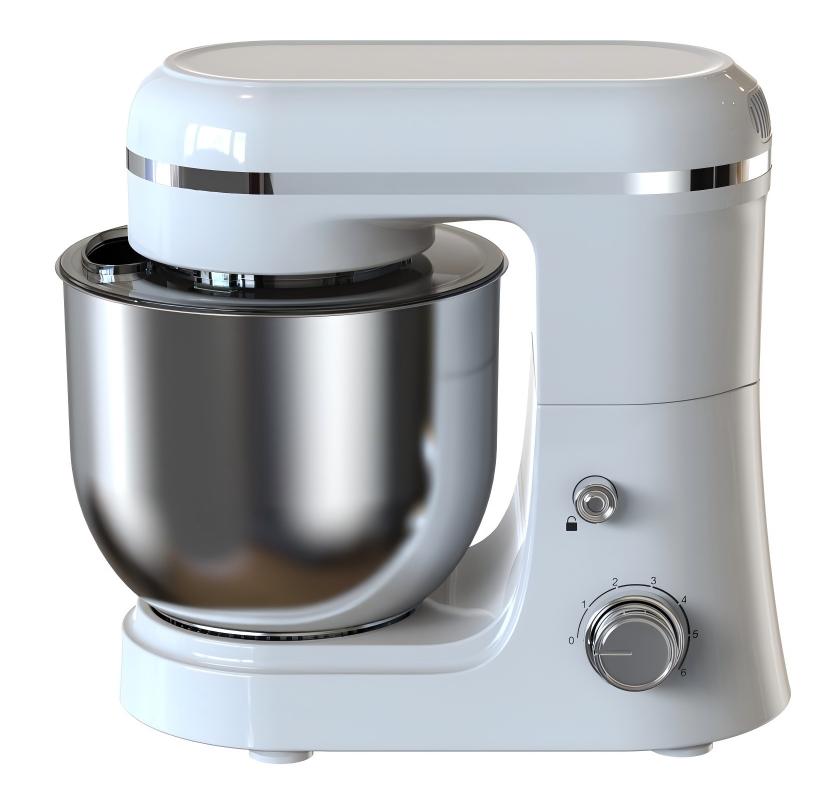
1. Key Specifications for Commercial Stand Mixers
Commercial stand mixers are designed for continuous batch mixing, kneading and whipping. Focus on these core factors when sourcing:
1. Motor Type
DC motors run quieter and maintain stable performance during long continuous kneading, less prone to overheating — ideal for bakeries with daily heavy use. AC motors offer cost advantages for small-batch home baking businesses with lower daily output.
2. Bowl Capacity
3–5L models fit small batches for boutique bakers. 6L and larger heavy-duty versions are suitable for high-volume production of loaves, buns and pastries.
3. Standard Attachments
Prioritise units with full standard attachments: dough hook for bread dough, whisk for cream and egg white whipping, flat beater for cake batter and fillings.
4. Build Stability
Heavy base reduces vibration during high-speed operation, improving safety and consistency during long production runs.
Tip: Commercial stand mixers are versatile beyond bread making. They can mix dumpling fillings, butter and pastry creams to maximise kitchen equipment utilisation.
2. Baking Tray Material Comparison for Commercial Use
Baking trays directly impact baking uniformity and release performance. The most common commercial materials:
• Carbon Steel Trays: Fast heat conduction, high hardness and good warp resistance. Most are coated with non-stick layers for easy release. Best for cookies and thin pastries.
• Aluminium Trays: Even heat distribution and stable thermal performance. Widely adopted by professional bakeries for bread rolls, toast and swiss rolls.
• Thin Iron Trays: Low upfront cost but prone to warping and inconsistent heating. Not recommended for regular commercial production.
✅ Quick application guide:
Cookies & biscuits → Non-stick carbon steel trays
Swiss rolls, bread & toast → Heavy-gauge aluminium trays
3. Production Workflow: Stand Mixer + Baking Trays
1. Load flour, water, yeast and other raw materials into the mixer bowl. Start at low speed to combine ingredients, then switch to medium-high speed to knead until the dough reaches the required gluten window.
2. Once bulk fermentation finishes, shape dough and arrange on baking trays. Reserve enough space for proofing expansion.
3. Preheat the oven fully before loading trays. Place trays on the middle rack for balanced heat.
4. Remove trays immediately once baking completes. Take baked goods out promptly to avoid over-browning from residual tray heat.
4. Maintenance & Preventive Tips to Extend Equipment Lifespan
Stand Mixer Maintenance
• Clean attachments after every batch. Wipe the mixing bowl and machine exterior with a damp cloth. Never rinse the main machine body directly under running water.
• Follow the recommended continuous operation limit to avoid motor overheating.
• Store in dry, well-ventilated areas away from moisture.
Baking Tray Maintenance
• Do not use steel scrubbers on non-stick coatings. Use soft sponges for cleaning to prevent coating scratches.
• Avoid empty high-temperature baking, which causes tray warpage.
• Fully dry trays after washing to prevent oxidation.
Consistent baking results rely not only on recipes but also well-matched baking equipment. Commercial stand mixers reduce labour costs and stabilise dough quality, while premium baking trays guarantee even baking. You do not need over-spec equipment; select models based on your daily production volume and product range.